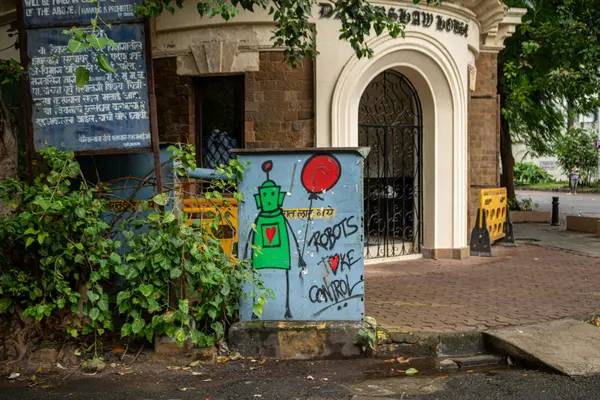

Creativity is entering a new era — one shaped not by limitations, but by intelligent collaboration. Artificial intelligence is becoming a powerful creative partner, helping artists, writers, musicians, designers, and storytellers explore ideas that were once impossible.
By 2035, AI will spark a global artistic renaissance. Not because machines will replace human imagination — but because they will expand it. AI will help creators push boundaries, experiment fearlessly, and bring visions to life with unprecedented speed and clarity.
1. AI Will Become a Catalyst for Imagination
Creativity often begins with a spark — a fragment of an idea. AI will help transform that spark into something tangible by:
- suggesting new directions
- expanding concepts into full narratives
- visualising ideas instantly
- offering alternative interpretations
Instead of replacing imagination, AI will amplify it — helping creators explore paths they may never have considered on their own.
2. Artistic Tools Will Become Accessible to Everyone
The next generation of creative tools will be powered by AI, making professional-level artistry accessible to anyone. These tools will allow people to create:
- studio-quality audio
- cinematic video
- polished graphic design
- immersive digital experiences
Creativity will no longer be limited by technical skill. AI will democratise creation — opening the door for millions of new voices.
3. AI Will Support Writers and Storytellers
Writing is becoming a collaborative process. AI will help storytellers:
- develop characters
- refine plot structures
- enhance dialogue
- edit with precision
These tools will not replace the human voice — they will strengthen it, helping writers express themselves more clearly and confidently.
4. Designers Will Explore New Visual Languages
AI-powered design tools will help creators experiment with:
- new colour palettes
- unexpected compositions
- dynamic layouts
- interactive visual systems
Designers will be able to iterate faster, explore more boldly, and craft visuals that feel fresh, modern, and deeply expressive.
5. Musicians Will Collaborate With Intelligent Systems
AI will become a creative partner in music — helping artists:
- compose melodies
- generate harmonies
- experiment with new genres
- produce studio-quality sound
This collaboration will lead to new musical styles and hybrid genres that blend human emotion with machine-driven innovation.
6. Creativity Will Become More Playful and Experimental
AI will encourage experimentation by removing technical barriers. Creators will be able to:
- prototype ideas instantly
- test multiple versions of a concept
- blend mediums effortlessly
- explore creative risks without fear
This freedom will lead to a surge of innovation — a new wave of artistic expression that feels bold, curious, and beautifully human.
A Machine‑Powered Renaissance
The next artistic renaissance will not be driven by machines alone. It will be shaped by the partnership between human imagination and intelligent technology. AI will help creators dream bigger, explore deeper, and express themselves more fully.
The future of creativity is not artificial. It is amplified — by AI, and by the limitless potential of human imagination.
Read Next
- The Future of Work-Life Balance: How AI Will Help Us Live More Intentionally
- The Ethics of AI: How We Can Build a Future That’s Safe, Fair, and Human‑Centred
- AI and Ageing: How Technology Will Support Independent Living and Longevity
- The Creator Economy 2035: How AI Will Empower Solo Creators and Micro‑Brands
- AI in Fitness: How Intelligent Training Will Transform Health and Body Recomposition
- The Future of Education: AI Tutors, Adaptive Learning, and the End of Traditional Classrooms
- Smart Cities 2040: How AI Will Shape Urban Living, Safety, and Sustainability
- AI and Mental Wellbeing: How Intelligent Tools Will Support Emotional Health
- The Rise of Personal AI Assistants: How They’ll Redefine Daily Life by 2030
- How Artificial Intelligence Will Transform Quality of Life in the Next 20 Years