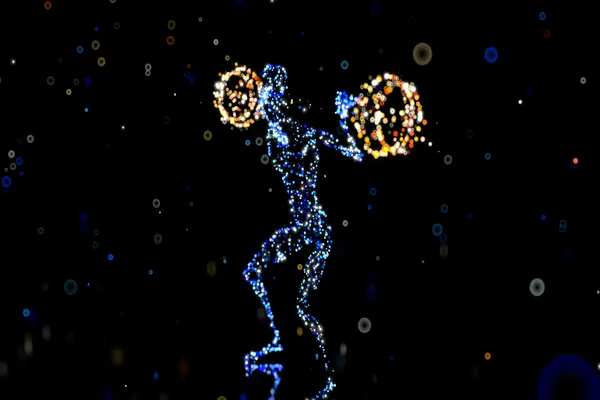

Fitness is entering a new era — one shaped by intelligent systems that understand your body better than any app, wearable, or traditional training plan ever could. Artificial intelligence is becoming a powerful ally for people who want to build strength, improve health, and achieve long-term body recomposition without guesswork.
By 2035, AI-driven fitness tools will be woven into everyday life. They will analyse movement, track recovery, personalise nutrition, and design training plans that adapt in real time. Whether you're a beginner, a seasoned athlete, or someone rebuilding their health, AI will make fitness more accessible, more effective, and more human.
1. AI Will Create Hyper-Personalised Training Plans
Traditional workout plans rely on general guidelines. AI-driven plans rely on your actual body. Intelligent systems will analyse:
- movement patterns
- strength levels
- mobility limitations
- heart rate variability
- sleep quality
- stress levels
This data allows AI to design training sessions that match your energy, recovery, and goals — adjusting intensity automatically to prevent injury and maximise progress.
2. Body Recomposition Will Become More Precise
AI will make body recomposition — building muscle while reducing fat — far more predictable. Intelligent systems will track:
- macronutrient intake
- metabolic rate
- training volume
- recovery cycles
- hormonal patterns
Instead of guessing whether your plan is working, AI will show exactly how your body is responding. It will adjust nutrition and training in real time to keep you progressing steadily.
3. Smart Coaching Will Replace Generic Advice
AI coaches will offer guidance that feels personal and supportive. They will:
- correct form using real-time motion analysis
- suggest modifications based on mobility
- predict when fatigue is about to spike
- recommend rest before overtraining occurs
This level of personalised coaching will help people train safely, confidently, and consistently — especially beginners who often struggle with technique and motivation.
4. Recovery Will Become Smarter and More Effective
Recovery is the foundation of progress. AI will optimise recovery by analysing:
- sleep cycles
- muscle soreness
- hydration levels
- stress patterns
- training load
Based on this data, AI will recommend:
- mobility routines
- nutrition adjustments
- rest days
- breathwork sessions
This ensures your body stays balanced, strong, and ready for the next training cycle.
5. AI Will Support Mental Fitness and Motivation
Fitness is not just physical — it’s deeply mental. AI will help people stay motivated by:
- tracking emotional patterns
- suggesting grounding exercises
- offering encouragement at the right moment
- helping users build consistent habits
This emotional support will make fitness feel less overwhelming and more sustainable.
6. Fitness Will Become More Accessible
AI-driven fitness tools will make training accessible for people who:
- don’t have access to a gym
- prefer training at home
- need low-impact routines
- are recovering from injury
Intelligent systems will design safe, effective workouts using minimal equipment — making fitness more inclusive and adaptable.
A Stronger, Smarter Future
AI will not replace personal trainers or human expertise. It will enhance them — offering data-driven insights that help people train more effectively, recover more deeply, and build healthier bodies with confidence.
The future of fitness is intelligent, personalised, and deeply human. AI will help people move better, feel better, and live better.
Read Next
- The Creator Economy 2035: How AI Will Empower Solo Creators and Micro-Brands
- The Future of Education: AI Tutors, Adaptive Learning, and the End of Traditional Classrooms
- Smart Cities 2040: How AI Will Shape Urban Living, Safety, and Sustainability
- AI and Mental Wellbeing: How Intelligent Tools Will Support Emotional Health
- The Rise of Personal AI Assistants: How They’ll Redefine Daily Life by 2030
- How Artificial Intelligence Will Transform Quality of Life in the Next 20 Years