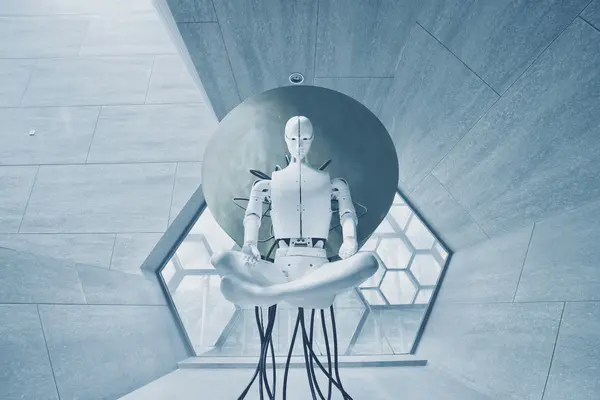

Personal AI assistants are becoming the most influential technology of the decade. By 2030, they will evolve far beyond simple chatbots or voice-controlled helpers. They will become intelligent companions woven into every part of daily life — supporting productivity, wellbeing, creativity, learning, and even emotional balance.
This article explores how personal AI assistants will reshape the way we live, work, and connect, and why they will become as essential as smartphones once were.
1. AI Assistants Will Become Central to Daily Productivity
The next generation of AI assistants will manage tasks with a level of precision and context-awareness that feels almost human. They will:
- organise schedules dynamically based on energy levels and priorities
- summarise meetings, emails, and documents instantly
- automate repetitive admin tasks
- predict workload bottlenecks before they happen
Instead of simply responding to commands, AI assistants will anticipate needs. They will understand your working rhythm, your communication style, and your long-term goals — helping you stay focused without burning out.
2. Personalised Wellbeing Support Will Become Standard
AI assistants will play a major role in mental and physical wellbeing. They will monitor sleep patterns, stress signals, and daily habits to offer personalised guidance.
Imagine an assistant that gently suggests a break before your stress spikes, or adjusts your evening routine based on your sleep quality the night before. These systems will help people live more intentionally, with less friction and more clarity.
3. AI Will Transform How We Learn and Grow
Personal AI tutors will become a normal part of adult life. They will:
- adapt lessons to your learning style
- explain complex topics in simple language
- track progress and adjust difficulty automatically
- help you reskill for new careers
Whether you're learning a language, mastering digital skills, or exploring a new creative field, AI tutors will make learning faster, more enjoyable, and more accessible.
4. Smart Homes Will Feel Truly Intelligent
AI assistants will integrate seamlessly with home environments. They will adjust lighting, temperature, sound, and energy usage based on your mood, schedule, and preferences.
Your home will become a responsive ecosystem — one that supports rest, focus, creativity, and comfort without you needing to think about it.
5. Creativity Will Expand Through AI Collaboration
AI assistants will become creative partners. They will help generate ideas, refine scripts, enhance audio, design visuals, and support storytelling. This will democratise creativity, allowing anyone to produce high-quality work without technical barriers.
For creators, entrepreneurs, and micro-brands, AI will become an essential part of the workflow — a quiet collaborator that amplifies vision and reduces friction.
6. AI Assistants Will Support Emotional Intelligence
By 2030, AI will be able to recognise emotional patterns through speech, behaviour, and daily routines. They will offer gentle nudges, grounding exercises, or reflective prompts to help users stay balanced.
This doesn’t replace human connection — it enhances it. AI will help people understand themselves better, communicate more clearly, and navigate stress with more ease.
7. Digital Independence Will Become the New Normal
Personal AI assistants will empower individuals to manage complex digital tasks independently:
- financial planning
- travel organisation
- career development
- content creation
- health tracking
Instead of relying on dozens of apps, people will rely on one intelligent system that orchestrates everything.
A More Human Future
The rise of personal AI assistants doesn’t make life more robotic — it makes it more human. As technology takes over mechanical tasks, people gain time, clarity, and emotional bandwidth.
By 2030, AI assistants will not replace us. They will elevate us.