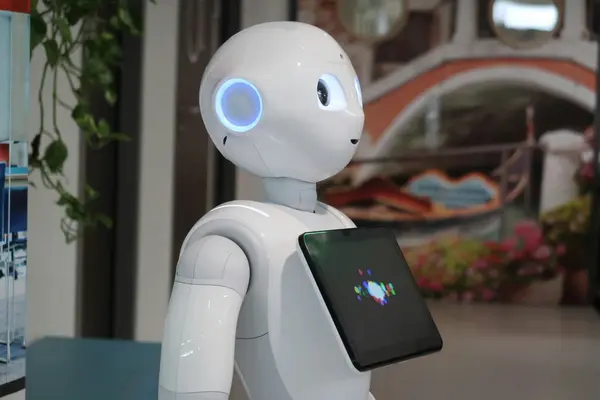

Education is undergoing one of the most profound transformations in modern history. Artificial intelligence is reshaping how people learn, teach, and access knowledge — shifting the classroom from a one-size-fits-all model to a personalised, adaptive, deeply human learning experience.
By 2040, AI tutors will be as common as laptops. Students of all ages will learn through intelligent systems that understand their pace, strengths, and challenges. Traditional classrooms will evolve into flexible learning environments where human teachers focus on creativity, mentorship, and emotional connection — while AI handles the mechanics of learning.
1. AI Tutors Will Become Personal Learning Companions
AI tutors will offer personalised guidance that adapts in real time. They will:
- adjust difficulty based on performance
- explain concepts in multiple ways
- track long-term progress
- identify knowledge gaps instantly
These tutors will feel less like software and more like supportive companions — helping learners stay motivated, confident, and curious.
2. Adaptive Learning Will Replace Standardised Teaching
Traditional classrooms rely on fixed pacing, fixed content, and fixed expectations. Adaptive learning systems will change this entirely. AI will:
- deliver lessons based on individual learning styles
- provide instant feedback
- offer personalised practice exercises
- predict when a student is about to struggle
This creates a learning environment where every student progresses at the right speed — not too fast, not too slow.
3. Teachers Will Shift Into Creative and Mentorship Roles
AI will not replace teachers. It will elevate them. With AI handling repetitive tasks like grading, lesson planning, and assessment, teachers will focus on:
- creative exploration
- critical thinking
- emotional support
- collaboration and communication
Classrooms will become spaces for discussion, creativity, and human connection — not just information delivery.
4. Lifelong Learning Will Become the Norm
As careers evolve faster than ever, adults will rely on AI tutors to reskill and upskill. These systems will help people learn:
- digital skills
- languages
- creative disciplines
- professional competencies
Learning will no longer be tied to age or formal institutions. It will become a continuous, personalised journey.
5. Education Will Become More Accessible Globally
AI-driven education will break down barriers for learners worldwide. Students in remote or underserved areas will gain access to:
- high-quality lessons
- interactive simulations
- real-time tutoring
- global learning communities
This shift will make education more equitable and inclusive — giving every learner a fair chance to grow.
6. Immersive Learning Will Redefine Engagement
AR and VR will transform learning into an immersive experience. Students will:
- walk through historical events
- explore scientific concepts in 3D
- practice skills in virtual environments
- collaborate in shared digital spaces
Learning will become more engaging, memorable, and enjoyable.
A More Human Future for Education
The future of education is not about replacing teachers or digitising classrooms. It’s about creating learning environments that honour individuality, curiosity, and human connection. AI will make learning more accessible, more personalised, and more empowering — helping people grow with confidence and joy.
Read Next
- AI in Fitness: How Intelligent Training Will Transform Health and Body Recomposition
- Smart Cities 2040: How AI Will Shape Urban Living, Safety, and Sustainability
- AI and Mental Wellbeing: How Intelligent Tools Will Support Emotional Health
- The Rise of Personal AI Assistants: How They’ll Redefine Daily Life by 2030
- How Artificial Intelligence Will Transform Quality of Life in the Next 20 Years