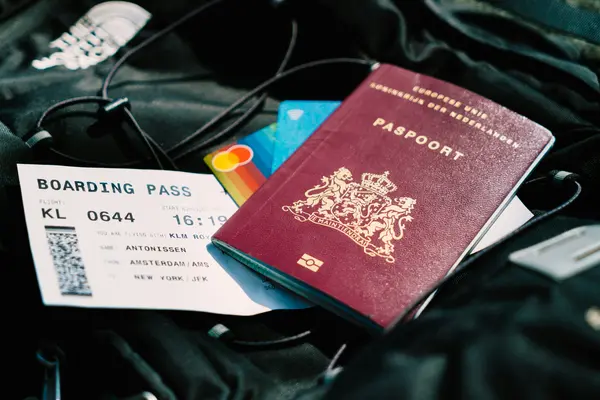

The EU’s new Entry/Exit System (EES) officially launched in April 2026, marking the biggest change to European border checks in decades. For UK travellers, this means a new digital process, biometric enrolment, and a different experience at airports, ports, and land borders.
What EES Means for UK Travellers
EES replaces manual passport stamping with a digital system that records:
- your passport details
- a facial image
- your fingerprints (first trip only)
- your entry and exit dates
Because the UK is now a “third‑country” visitor, all British passport holders must complete EES when entering the Schengen Area.
Your First Trip Takes the Longest
During your first post‑launch visit, you must enrol your biometrics at a self‑service kiosk. This adds time to the process, especially at busy ports.
- Longer queues at Dover and Eurotunnel during peak hours
- Smoother processing at airports with more kiosks
- Much faster repeat trips once biometrics are stored
What Happens at the Border Now
- Scan your passport at a kiosk
- Have your face scanned
- Provide fingerprints (first time only)
- Proceed to a border guard for confirmation
ETIAS Arrives Later in 2026
ETIAS is the EU’s new pre‑travel authorisation. It is not a visa — it’s a security check similar to the US ESTA.
- Apply online before travel
- Pay €7 (free for under 18s and over 70s)
- Receive approval linked to your passport
What Stays the Same
- You can still visit for up to 90 days in any 180‑day period.
- No visa is required for tourism or short business trips.
- Your passport must be valid for at least 3 months after departure.
TLDR for UK Travellers
Travel to Europe is becoming more digital. The first months of EES have brought queues at some borders, but once your biometrics are enrolled, crossings become faster and more predictable. ETIAS will add a simple pre‑travel step later this year.
For how EU nationals enter the UK, read: The 2026 Travel Guide: EU Nationals.